

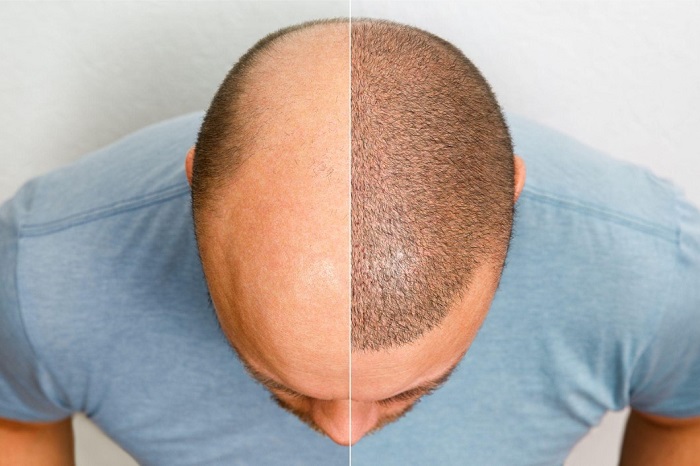
Hair transplantation is a transformative procedure for individuals experiencing hair loss, aiming to restore not just hair, but confidence as well. Essentially, Hair transplantation involves relocating hair follicles from a donor site—usually the back of the head—to areas with thinning or no hair. This method offers a permanent solution to hair loss concerns.
The process starts by assessing the type and pattern of hair loss. It’s crucial to identify the underlying cause, which could range from genetic factors to medical conditions. Various hair restoration techniques exist, including Follicular Unit Transplantation (FUT) and Follicular Unit Extraction (FUE). Both methods have unique approaches but fundamentally serve the same purpose of regrowth.
What is Hair Transplant?
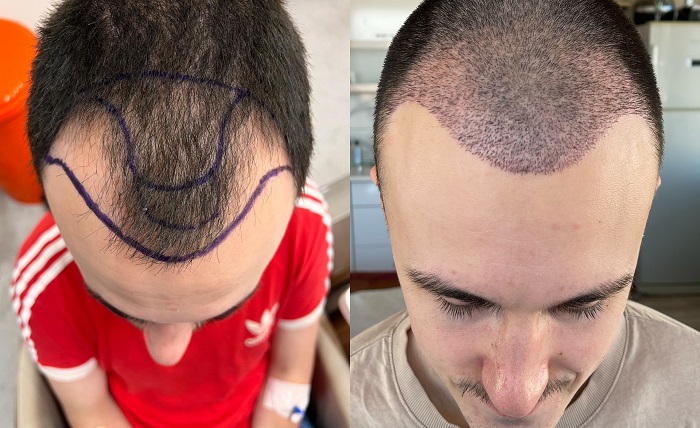
A hair transplant is essentially about providing a fuller head of hair by utilizing your own natural hair. Various techniques allow for different outcomes. The most prevalent include FUT, where a strip of hair is removed and grafted, and FUE, which extracts individual follicles. Understanding the specifics can empower individuals to make informed choices about their hair restoration journey.
How Does Hair Transplant Surgery Work?
During hair transplant surgery, the first step involves the extraction of follicles, followed by careful placement in target areas. Surgeons meticulously place each graft to mimic natural growth patterns, ensuring the results appear authentic. Recovery involves minimal downtime, allowing individuals to return to their daily routines swiftly.
Understanding hair transplantation methods offers insight into this popular cosmetic procedure, making it an informed choice for anyone considering hair restoration. With technological advancements, achieving one’s desired look has never been more feasible.
Procedures Involved in Hair Transplant
Understanding the procedures involved in hair transplantation is essential. There are two primary techniques: Follicular Unit Transplantation (FUT) and Follicular Unit Extraction (FUE).
Follicular Unit Transplantation (FUT)
FUT involves the removal of a strip of scalp from the back of the head where hair is denser. This strip is then divided into follicular units containing one to four hairs for transplantation. FUT is suitable for individuals who need a larger number of grafts and may be advantageous due to less trauma to existing hair.
Follicular Unit Extraction (FUE)
FUE, on the other hand, extracts individual hair follicles directly from the scalp. This technique is less invasive and leaves minimal scarring, making it appealing for many. The recovery time tends to be quicker with FUE, which highlights its popularity in the hair restoration arena today.
Both methods have unique advantages, and deciding which one to choose often depends on individual goals and preferences regarding hair restoration.
Benefits and Risks of Hair Transplants
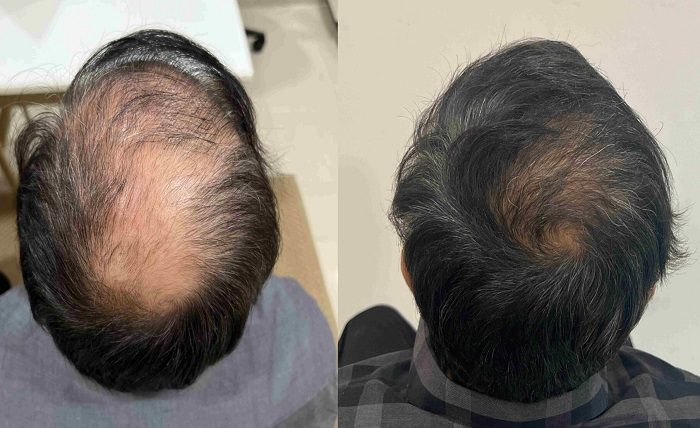
Hair transplants have gained popularity for their potential benefits and appeal in hair restoration. A primary advantage is the improved appearance, which often leads to enhanced self-esteem and confidence. Many individuals who undergo hair transplantation report significant positive outcomes, especially with natural-looking results. Success rates have risen due to advancements in techniques, making hair transplants a reliable option for those seeking permanent solutions to hair loss.
However, it’s essential to consider the associated risks. Common complications may include infection, scarring, and unnatural hair growth patterns. Being aware of these can help manage expectations and prepare for the procedure. Individual factors, such as health conditions and hair type, also play a crucial role in the success of the hair restoration process. Hence, thorough consultations with experienced specialists are vital before pursuing hair transplants.
Benefits of Hair Restoration
The benefits of hair restoration extend beyond aesthetics. Research shows that patients experience long-term psychological improvements. A fuller head of hair can significantly impact self-image, reducing feelings of anxiety or embarrassment tied to hair loss. Moreover, with the right procedure, many enjoy results that last for years, adding to the overall appeal of hair transplantation.
What Are the Risks?
While the allure of hair restoration is strong, it’s essential to approach the decision with caution. A realistic understanding of the risks involved in hair transplantation is crucial. From potential scalp infections to healing irregularities, knowing what to expect ensures informed decision-making.
Recovery and Aftercare
Post-procedure recovery after a hair transplant is another critical aspect to understand. Patients can expect initial swelling and discomfort, which typically subsides within a few days. Understanding guidelines for the recovery phase is vital for optimal outcomes. This includes avoiding strenuous activities and keeping the scalp clean to promote healing.
Post-Procedure Care
Effective aftercare is fundamental in the recovery journey. Monitoring signs like excessive bleeding or inflammation is essential for avoiding complications. Regular follow-up appointments with the healthcare provider also ensure proper healing and address any concerns.
Long-Term Maintenance
Maintaining the results of a hair transplant is where commitment comes into play. Emphasizing ongoing hair health via regular check-ups and possibly using specialized hair care products can help. This proactive approach not only sustains results but also enhances overall hair health post-transplant, making longevity achievable.
Everything You Need to Know Before Your Hair Transplant
Hair transplantation is a transformative procedure offering a permanent solution for hair loss, boosting self-confidence through natural-looking results. Taking hair follicles from a donor site, typically the back of the head, and placing them in thinning areas, it employs techniques like Follicular Unit Transplantation (FUT) and Follicular Unit Extraction (FUE) to cater to individual needs. Suitable candidates include those with significant hair loss due to genetics, injury, or medical conditions. Benefits include improved appearance and psychological well-being, while risks involve potential complications like infection or scarring. Proper consultation with professionals and informed decision-making are essential for optimal outcomes, ensuring personalized care and sustained results through diligent aftercare and maintenance.