

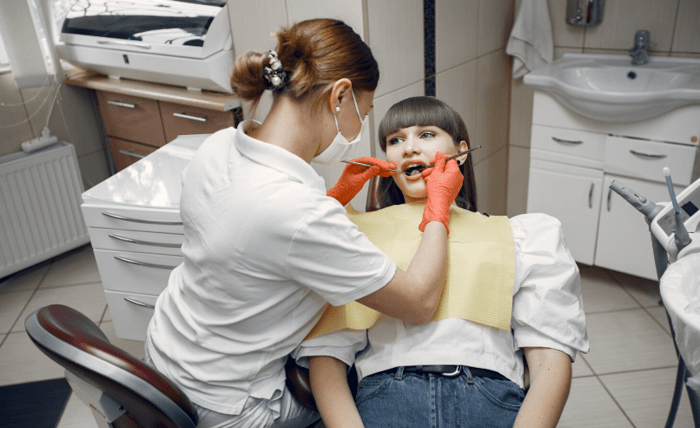
Your mouth often hides quiet problems. Small cavities, early gum disease, and bite issues grow without clear warning. Then they suddenly hurt, cost more, and steal your time. Early dental screenings stop that cycle. You get answers while problems stay small and easier to treat. You also avoid rushed decisions made in pain. Regular checks help your dentist spot tiny cracks, early decay, and crowding before they threaten your health. The same visits can reveal worn teeth, clenching, and signs of sleep issues. Clear options exist for many of these problems. For example, if your teeth are shifting or crowding, your dentist may suggest clear aligners in Bridgewater, VA. That choice can guide your teeth back into a safer position and protect your bite. Early screenings do more than protect your smile. They protect your energy, your budget, and your peace of mind.
What an Early Dental Screening Checks
During an early screening, your dentist looks at three main things. Your teeth. Your gums. Your bite.
You can expect your visit to include:
- A close look at each tooth for soft spots or cracks
- A gum check for swelling, bleeding, or pockets
- A bite check to see how your teeth meet when you close
- X-rays, when needed, to see between teeth and under fillings
- A look at your tongue, cheeks, andthe roof of your mouth
The goal is simple. Catch small changes before they turn into pain, infection, or tooth loss.
Why Waiting Makes Problems Grow
Tooth and gum problems rarely stay still. They grow. They spread. They wear you down.
When you wait:
- A tiny cavity can reach the nerve and need a root canal
- Early gum swelling can turn into bone loss and loose teeth
- A small chip can weaken the whole tooth
- Crowding can twist teeth and strain your jaw
Early screenings break that pattern. You treat a cavity before it hits the nerve. You clean the gums before the bone is lost. You guide teeth before they shift into painful positions.
Health Problems Linked to Your Mouth
Your mouth connects to the rest of your body. Infection and swelling in your gums can affect your heart and blood sugar. .
Early screenings can uncover signs of:
- Uncontrolled diabetes that shows up as slow healing gums
- Heart concerns tied to long-lasting gum infection
- Sleep apnea signs such as worn teeth from clenching
- Tobacco-related changes on the tongue or cheeks
Quick action on these signs can protect more than your teeth. It can protect your long-term health.
How Early Screenings Protect Children and Teens
Children grow fast. Their teeth and jaws change every year. Early screenings help guide that growth.
For children and teens, early checks can:
- Find weak spots in enamel before they turn into cavities
- Spot thumb sucking or mouth breathing effects on the bite
- Guide when to place sealants on back teeth
- Show when teeth need gentle straightening
With steady screenings, you give your child a strong start and avoid urgent visits that scare them.
Cost and Time: Early vs Late Treatment
Early screenings save money and time. One short visit each year can prevent hours in a dental chair later.
| Problem | If Found Early | If Found Late
|
|---|---|---|
| Small cavity | Simple filling. Low cost. One short visit. | Root canal and crown. High cost. Many visits. |
| Early gum disease | Deep cleaning. Home care changes. | Bone loss. Possible tooth loss and surgery. |
| Mild crowding | Planned aligner care while roots are strong. | More complex tooth movement with higher risk. |
| Cracked tooth | Crown to protect the tooth. | Broken tooth that may need removal and implant. |
Early action keeps treatment simple. Late action can drain your savings and your energy.
What To Expect During a Family Screening Visit
A family visit can feel calm and clear. You can plan for three steps.
First, your dental team reviews your health history and daily habits. You share any pain, worries, or changes you notice.
Second, the exam and cleaning take place. Your teeth are checked, cleaned, and measured. X-rays are taken when needed.
Third, you talk about what was found. You get a plain summary. You hear what needs treatment now, what can wait, and what you can watch at home.
You leave with three things. A clear picture of your mouth. A plan for any needed care. A date for your next check.
How Often You Need Early Screenings
Most people need a screening every six months. Some need them more often. Heavy plaque, gum swelling, smoking, or diabetes can raise your risk.
You can ask your dentist:
- How often do you want to see me
- What signs at home should make me call sooner
- Which teeth or gums worry you the most
This shared plan keeps you in control. You are not waiting for pain to tell you what to do.
Simple Steps You Can Take Today
You can protect your mouth with three steady habits.
- Brush with fluoride toothpaste two times each day
- Clean between your teeth once each day
- Schedule and keep regular dental screenings
Each step guards your health. Each screening gives you early warning. You gain quiet nights, easier meals, and fewer sudden bills.