

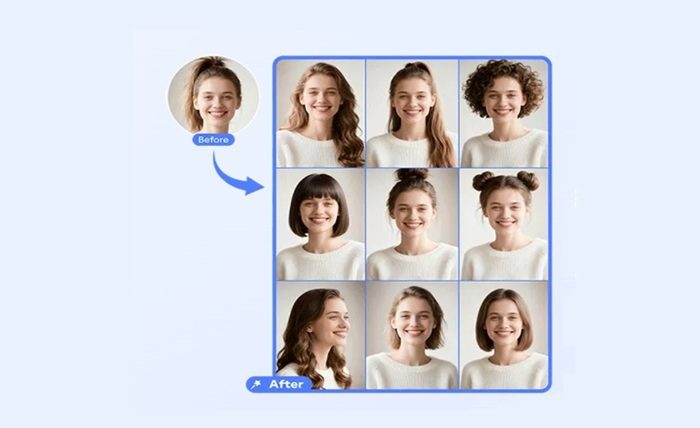
Digital grooming has moved far beyond static inspiration boards. Today, face hair style ai tools are reshaping how people explore beards, mustaches, and stubble—before a single trim. By combining image processing, pattern recognition, and user-friendly previews, these tools help bridge the gap between imagination and reality. This article explores how the category works, where it excels, and how to use it thoughtfully—from classification strategies to salon communication and data security.
Why AI Matters in Face Hair Styling
Traditional style selection relied on guesswork: photos of celebrities, verbal descriptions, and a leap of faith. With face hair style ai, users can simulate outcomes on their own photos, reducing uncertainty. Some surveys and platform reports suggest AI beauty tools are already widely used among Gen Z and millennials, especially for quick experimentation before events or routine maintenance. Early feedback often describes previews as “close enough” for common styles—frequently reported in the 60–80% range under good lighting—while noting more variation with dense curls or complex fades.
This shift isn’t about replacing barbers or stylists; it’s about better preparation. When expectations are clearer, consultations can be smoother. Some salons report around 10–30% shorter consultations, depending on workflow and how visual references are used.
How Face Hair Style AI Works (At a Glance)
Most platforms follow a similar pipeline:
- Image capture: A front-facing photo with neutral lighting.
- Landmark detection: Jawline, cheekbones, lips, and hairline are mapped.
- Style overlay: Beard or mustache templates are adapted to facial geometry.
- Refinement: Density, length, and edges are adjusted to look natural.
Under the hood, many systems pair segmentation models with facial features analysis AI to align styles accurately. The result is a preview that respects face shape and proportions rather than pasting a generic beard.
Classifying Face Hair Styles: A Smarter Framework
A key advantage of face hair style ai is structured exploration. Instead of scrolling endlessly, users can filter by attributes that matter:
1) By Face Shape
- Round: Short boxed beards or goatees can add vertical lines.
- Square: Softer edges or medium stubble can balance strong angles.
- Oval: Most styles work; length and density become the main variables.
- Heart: Fuller chin growth can counter a wider forehead.
2) By Hair Volume & Texture
- Fine: Lighter density or designer stubble avoids patchy looks.
- Coarse/Curly: Fuller beards with defined cheek lines often preview best.
Reports suggest previews tend to align more closely for straight-to-wavy textures, with added variability for tight curls.
3) By Age Group
- 20s–30s: Experimentation with fades, transitions, and bold lines.
- 40s+: Balanced density and classic shapes for a polished finish.
4) By Occasion
- Professional settings: Clean lines, moderate length.
- Events or casual wear: Bolder contours or longer growth.
A Step-by-Step Guide to Better Previews
To get the most from face hair style ai, setup matters. Here’s a practical checklist:
- Lighting: Face a window or use soft, even light. Avoid harsh shadows.
- Angle: Keep the camera at eye level; no tilting.
- Expression: Neutral face—smiles can distort jaw contours.
- Background: Plain walls reduce edge-detection errors.
- Upload quality: Clear images (often 1080p or higher) improve results.
Many users find that following these steps improves perceived accuracy, especially for edge definition and density.
Comparing Styles the Smart Way
Rather than choosing a single favorite, compare sets:
- Length sweep: Short → medium → full, keeping the same outline.
- Density toggle: Light vs. heavy fill to see realism changes.
- Edge sharpness: Natural vs. crisp lines for different settings.
When comparing, note that previews are typically most reliable for common shapes and lengths. Extreme designs may look compelling but translate less predictably in real life.
Showing the Look to Your Hairstylist
AI previews shine when they support communication. Bring 2–3 options and ask targeted questions:
- “How would this density work with my growth pattern?”
- “Which edges here are easiest to maintain?”
- “What length would you adjust for my work environment?”
- “How often would trims be needed to keep this shape?”
Stylists often appreciate visual references; they clarify intent without replacing professional judgment.
Hair Care & Styling Techniques (Non-Medical)
While face hair style ai focuses on appearance, maintenance completes the picture:
- Cleansing: Gentle washes keep hair looking uniform.
- Conditioning: Adds softness and manageability for fuller styles.
- Styling products: Light balms or waxes help shape without stiffness.
Avoid framing products as cures or treatments; think of them as tools for texture and finish.
User Experience: Benefits and Limitations
Who benefits most?
- First-time beard growers testing boundaries.
- Professionals aligning grooming with dress codes.
- Event-goers seeking a specific aesthetic.
Limitations to keep in mind:
- Lighting and camera quality affect outcomes.
- Very sparse or highly irregular growth can be harder to predict.
- Previews estimate appearance, not day-to-day maintenance effort.
In early user feedback, satisfaction tends to be highest when expectations are realistic and previews are used as guides, not guarantees.
Industry Trends to Watch
The grooming tech space continues to evolve. Some platform updates point toward real-time adjustments, better texture rendering, and integration with appointment booking. Adoption appears strongest where tools save time or reduce uncertainty, suggesting steady growth rather than overnight disruption.
Data Security and Privacy Basics
Uploading photos raises valid concerns. Reputable platforms typically outline how images are processed and stored. Best practices include:
- Reading retention policies.
- Using tools that allow manual deletion.
- Avoiding unnecessary personal details in profiles.
Being mindful ensures experimentation stays comfortable and controlled.
Bringing It All Together
Used thoughtfully, face hair style ai can streamline decisions, sharpen communication, and boost confidence before a trim. Tools like FaceHair.ai virtual hairstyle preview – demonstrate how accessible previews can fit naturally into modern grooming—especially when paired with professional advice and realistic expectations. By understanding classifications, preparing quality photos, and asking the right questions, users turn digital previews into practical results—one well-planned style at a time.